Choosing a name is never just about sound. Some parents want a name that tells a story. A name that means “lost” can carry deep emotion and meaning.
These names often come from grief, memory, or hope. They honor a loss while giving new life a strong identity. Many cultures have words for “lost” that feel soft, not sad.
This list explores unique names tied to that theme. Each one carries history, culture, or personal meaning. You might find the perfect name that feels both powerful and personal.
Names That Mean Lost Soul Boy
These names carry a quiet weight, perfect for a boy whose spirit feels old, wandering, or touched by mystery.
- Eldric An old Germanic name suggesting an ancient ruler wandering forgotten lands, carrying wisdom no one else remembers.
- Corvin Rooted in the word for raven, this name evokes the dark, watchful presence often linked to lost or restless spirits.
- Ronin Borrowed from the Japanese term for a masterless wanderer, free yet untethered from any fixed home.
- Dashiell A name with a literary, drifting quality, often associated with characters who move between worlds and identities.
- Sorin With roots suggesting “sun” or “dawn,” it also carries a softer echo of a soul searching for light in the dark.
- Faolan Meaning “little wolf” in Irish, evoking the image of a lone wolf wandering far from the pack.
- Wrenfield A modern, invented-feeling name that conjures images of empty fields and quiet, solitary wandering.
- Caspian Tied to the vast, mysterious sea, suggesting a boy whose spirit is as boundless and untraceable as open water.
Japanese Names That Mean Lost
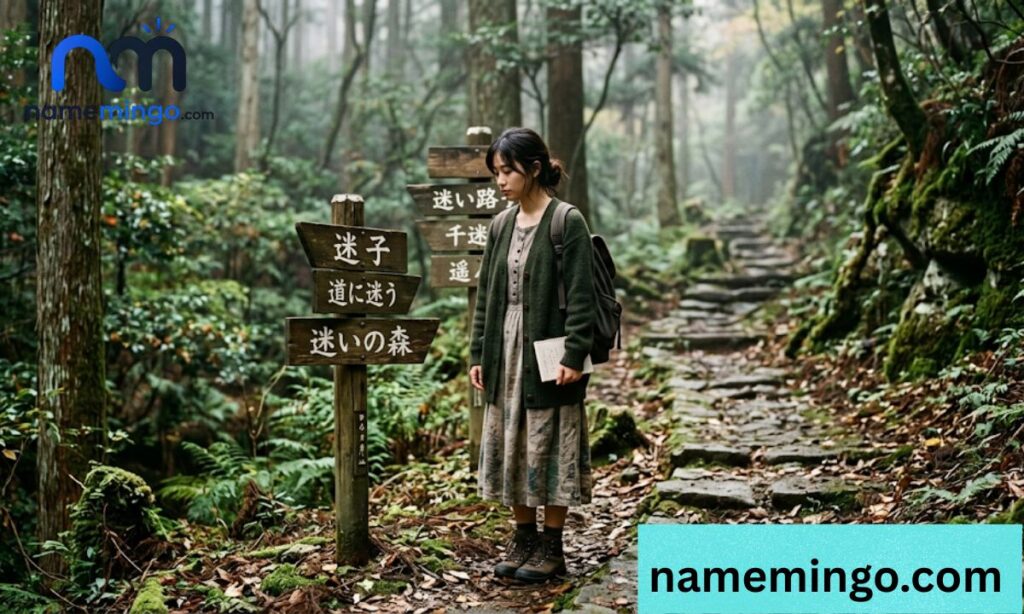
Japanese naming traditions often weave nature, emotion, and abstract ideas together, making them especially rich for names tied to wandering and being lost.
- Mayoi Derived directly from the Japanese word for “to lose one’s way,” making it one of the most literal names on this list.
- Sora Meaning “sky,” this name evokes vastness and emptiness, the feeling of being lost in something endless.
- Kaze Meaning “wind,” symbolizing a spirit that moves freely, untraceable and ever-changing.
- Yoru Meaning “night,” capturing the disorientation and mystery of being lost in darkness.
- Tabi Meaning “journey” or “travel,” perfect for a soul that’s always somewhere between destinations.
- Mei Drawing from a kanji that can mean “maze” or “lost,” this name carries quiet complexity beneath its simplicity.
- Kumo Meaning “cloud,” representing something drifting, shapeless, and impossible to pin down.
- Hagure Related to the verb meaning “to stray” or “to become separated,” often used to describe someone who has wandered from the group.
Names That Mean Lost Soul Girl
For a girl whose presence feels otherworldly, dreamy, or touched by quiet sorrow, these names lean into softness and mystery.
- Lyra Named after the constellation, evoking a soul navigating by starlight, far from solid ground.
- Wren A small, solitary bird often associated with quiet wandering through hedgerows and forgotten gardens.
- Iolanthe Meaning “violet flower,” with a delicate, almost ghostly quality, like something glimpsed and then gone.
- Maren Connected to the sea, suggesting a spirit that drifts with the tide rather than anchoring to shore.
- Saoirse An Irish name meaning “freedom,” often carrying the bittersweet edge of freedom found through loss.
- Ondine Drawn from water spirit folklore, representing a soul that exists between the human world and something deeper.
- Elowen A Cornish name meaning “elm tree,” evoking a quiet figure standing alone in an ancient forest.
- Branwen Meaning “blessed raven” in Welsh, carrying both beauty and a touch of melancholy mystery.
A Name That Means Lost
Sometimes you don’t want a long list. You want one name that feels like it was built around the very idea of being lost. Here are a few that come closest, drawn from languages where the concept is woven directly into the word itself.
- Vimudha A Sanskrit term meaning “bewildered” or “lost,” often used poetically to describe a soul searching for clarity.
- Zaiga A Latvian name with roots suggesting “the one who strays,” carrying a soft, wandering quality.
- Ithran An invented name with a Welsh-inspired sound, meant to evoke “the wandering one” or someone perpetually in motion.
- Corwyn Combining old English roots, this name leans toward “lost companion,” a friend who has drifted out of reach.
Female Names That Mean Lost
These names lean feminine and graceful, while still holding onto that sense of distance, longing, or quiet drift.
- Tindra A Swedish name meaning “to twinkle,” like a faint light glimpsed by someone lost in the dark.
- Asta Meaning “star,” suggesting a girl who feels at home only among things far away and unreachable.
- Ishana A Sanskrit name tied to desire and searching, fitting for a spirit always reaching for something just out of grasp.
- Suvi Meaning “summer” in Finnish, a season that always feels like it’s slipping away the moment you notice it.
- Romy With roots tied to “Rome” and pilgrimage, evoking the image of a wanderer on a long, uncertain road.
- Wilona An Old English name meaning “desired,” carrying the ache of longing for something that remains out of reach.
- Calla Named after the calla lily, a flower that often grows alone in quiet, overlooked places.
- Mireille A French name with a soft, dreamlike quality, often associated with things admired from afar.
Also Read This:565+ Cool And Badass Moose Names 2026
Top 5 Trending Picks in 2026

If you’re looking for something that feels current without losing that haunting “lost” quality, these five names are quietly gaining traction.
- Nyx The name of the Greek goddess of night, popular for its short, striking sound and deep symbolic ties to darkness and mystery.
- Arlo A gentle, earthy name that’s been climbing in popularity, often associated with free-spirited, untamed personalities.
- Wilder Literally meaning “untamed” or “wild,” this name has surged as parents lean into nature-inspired, independent-feeling choices.
- Sable Drawn from the dark fur and color, evoking shadow, secrecy, and quiet mystery.
- Vesper Meaning “evening star,” a name that captures the in-between hour when day is lost to night.
Why “Lost” Names Are Resonating in Modern America
There’s a quiet shift happening in how Americans approach naming, and it has a lot to do with authenticity over polish. For years, baby name trends leaned toward names that signaled success, cheerfulness, or strength. Now, more parents are gravitating toward names that feel emotionally honest, even if that honesty includes melancholy or mystery.
Part of this comes from a broader cultural embrace of complexity. Shows, books, and music that explore themes of identity, displacement, and self-discovery have made “lost” feel less like a weakness and more like a stage of becoming. A name that nods to wandering or searching can feel like a quiet promise: that this child’s story is still being written, and that’s okay.
There’s also a practical side. Many of these names are simply beautiful and uncommon, which appeals to parents wanting something distinctive without veering into the unpronounceable. Names like Wren, Sora, or Vesper sound modern and soft, even as they carry centuries of meaning underneath.
Finally, there’s comfort in shared experience. Almost everyone has felt lost at some point, whether geographically, emotionally, or spiritually. Choosing a name that acknowledges this isn’t dark, it’s deeply human, and it suggests resilience as much as it does uncertainty.
Classic Names with Meanings Linked to Sorrow or Misfortune
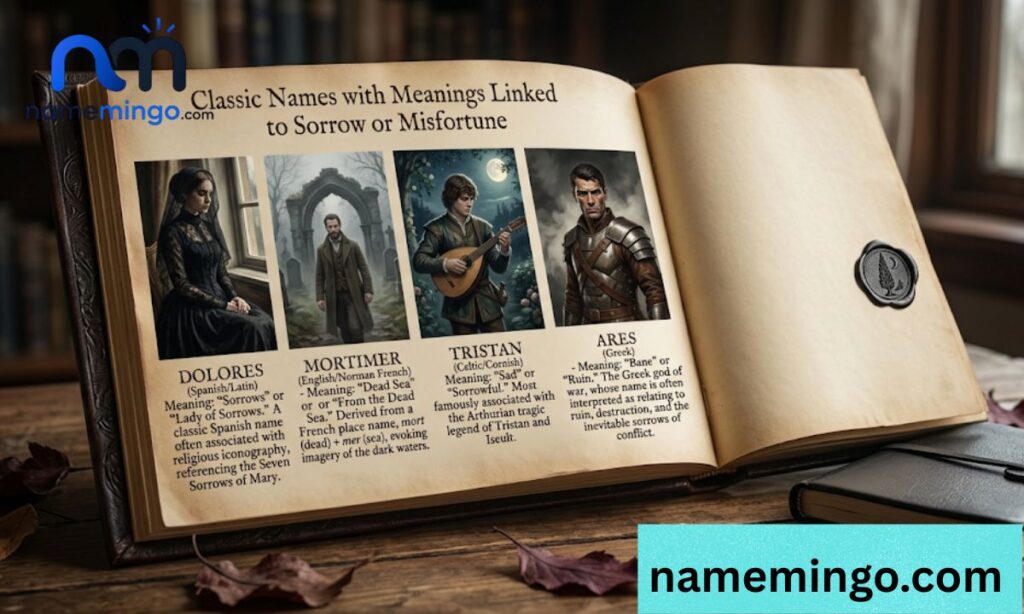
Some of the oldest names in Western tradition carry meanings rooted in grief, loss, or fate’s heavier moments.
- Dolores Spanish for “sorrows,” often used as a devotional name referencing deep grief.
- Tristan Derived from the French word for “sad,” forever tied to the tragic romance of Tristan and Isolde.
- Mara A Hebrew name meaning “bitter,” often associated with hardship and grief.
- Lenore Famously linked to Edgar Allan Poe’s haunting poem about loss and longing.
- Niobe A figure from Greek mythology whose name became synonymous with endless mourning.
- Electra Carrying mythological ties to grief, vengeance, and a family torn apart by tragedy.
- Cassandra The doomed prophetess of Troy, whose name evokes warnings no one believed.
- Penthea Rooted in the Greek word for mourning, a name with a deeply elegiac feel.
Names That Mean Wanderer or Drifter
These names are for spirits that don’t stay in one place for long, whether by choice or by fate.
- Peregrine Latin for “traveler” or “pilgrim,” historically used for falcons that roam vast territories.
- Wendell An Old German name meaning “wanderer,” tied to ancient tribes known for migration.
- Wanda A Slavic name often translated as “wanderer,” with roots in old tribal names.
- Errol A Scottish name sometimes linked to the idea of wandering or roaming far from home.
- Tristram A variant tied to wandering knights and long, uncertain quests.
- Charaka A Sanskrit term for “wanderer,” historically also linked to traveling physicians.
- Romily Suggesting a journey toward Rome, evoking the long roads walked by pilgrims.
- Galadrieth An invented, elvish-inspired name meaning “wandering light,” for a spirit that moves but never quite settles.
Also Read This :233+ Best Names That Mean Dawn: Elegant, Light-Inspired & Timeless Choices 2026
Names That Mean Forgotten or Abandoned
There’s a particular kind of beauty in names tied to things left behind, names that feel rescued from obscurity.
- Hagar A biblical name meaning “forsaken,” tied to a story of being cast out yet surviving.
- Zillah An ancient name evoking shadow, often linked to figures pushed to the margins of their stories.
- Corrigan Rooted in Irish folklore referencing spirits associated with lonely, forgotten places.
- Marlowe Originally tied to marshland, evoking remote, quiet places far from busy life.
- Talwyn A softened, modern-feeling name suggesting something quietly set aside.
- Orphea An invented variation echoing “orphan,” carrying a delicate, melancholy elegance.
- Yarrow Named after a wild healing herb that grows in untended, overlooked fields.
- Eshana A gentle, invented name evoking quiet longing for something left behind.
Literary and Mythological Figures Associated with Being Lost
Storytelling has always given us characters who embody the feeling of being lost, and many of their names have become timeless choices.
- Orpheus The musician who ventured into the underworld and lost everything by looking back.
- Persephone Taken to the underworld, her name is forever tied to the cycle of loss and return.
- Daedalus The brilliant inventor who became trapped in the very labyrinth he designed.
- Ariadne Remembered for the thread that guided others out of the maze, a symbol of finding the way back.
- Ophelia A name forever linked to Shakespeare’s tragic figure, lost to grief and circumstance.
- Heathcliff The brooding, wandering soul of the moors, defined by longing and isolation.
- Ishmael The lone survivor of a doomed voyage, adrift on the open sea.
- Telemachus A son searching endlessly for a father lost to time and distance.
Gender-Neutral Names with Themes of Solitude or Searching
These names work beautifully across genders, often drawing from nature or abstract qualities tied to quiet independence.
- Quill Evoking a solitary writer, recording thoughts in isolation.
- Sage Suggesting quiet wisdom gained through solitude and reflection.
- River A name that’s always moving, always searching for the sea.
- Sky Vast, open, and ultimately untouchable.
- Indigo A deep, introspective color associated with quiet inner worlds.
- Ash What remains after something has burned away, quiet and still.
- Linden Named after a tree known for standing alone in open spaces.
- Vale A quiet, secluded valley, tucked away from the world.
Rare Global Names Meaning Lost or Exile
These lesser-known names come from cultures around the world, each carrying a unique take on distance, exile, or wandering.
- Musafir An Urdu and Persian word meaning “traveler,” often used poetically for someone always in transit.
- Gharib Arabic for “stranger” or “foreigner,” historically used for those far from home.
- Kochi Associated with nomadic communities of Central Asia, evoking a life lived on the move.
- Paria Linked to the word “pariah,” historically used for those living outside social boundaries.
- Anokhi A Hindi name meaning “unique” or “different,” fitting for someone who doesn’t quite fit in.
- Surgun A Turkish-rooted name evoking the idea of exile or being sent away.
- Khamosh Urdu for “silent,” capturing the stillness of solitude.
- Nganga A name from Bantu traditions, often associated with guiding spirits who walk between worlds.
The Psychology Behind Choosing a “Lost” Name
Choosing a name tied to loss or wandering often says less about pessimism and more about how parents see resilience. Psychologically, names act as small, lifelong affirmations, subtle reminders of the qualities we hope a person will embody. A name that nods to wandering can quietly suggest independence, curiosity, and the courage to forge an unconventional path.
There’s also a growing comfort with naming children after complex emotional states rather than purely positive ones. Just as “Hope” or “Joy” became common, names tied to mystery or melancholy reflect a desire for emotional depth, an acknowledgment that a full life includes uncertainty, searching, and even sorrow.
For some parents, these names also carry personal history. A name meaning “wanderer” might honor a family’s immigration story, while a name meaning “lost” might quietly reference a loved one who has passed, someone “lost” but never forgotten. In this way, the name becomes both a tribute and a thread connecting generations.
Ultimately, names like these often appeal to parents who see their child not as a blank slate to be filled with expectation, but as someone already on their own quiet journey, one that began the moment they arrived.
How These Names Function in Professional Settings
A common concern with unusual or meaning-heavy names is how they’ll be perceived later in life, especially in professional environments. The good news is that most names on this list read as elegant, literary, or internationally inspired rather than overtly “sad,” which keeps them workplace-friendly.
Names like Vesper, Sage, River, or Romy carry a polished, almost editorial quality, the kind of names you’d expect to see on a book jacket or a design portfolio. Their deeper meanings remain a quiet personal detail rather than something colleagues or clients would immediately notice.
Even more literal names, such as Mayoi or Vimudha, function well because their meanings aren’t widely known outside specific cultural or linguistic contexts. To most people, they simply sound distinctive and global, qualities often viewed positively in diverse, modern workplaces.
The key is tone. Names that lean toward “wanderer,” “searcher,” or “quiet” tend to feel sophisticated, while overly literal translations of “abandoned” or “forsaken” might be worth reserving for middle names, nicknames, or creative projects rather than everyday introductions.
Names That Mean Lost (Extended Curated List)
This final collection rounds out the list with a wide range of names, each touched in some way by themes of wandering, searching, solitude, or quiet disappearance.
- Faye A softened name often linked to fae folklore, creatures known for slipping between worlds.
- Marlin Evoking deep, open water where things easily disappear from sight.
- Thessaly Named after a remote Greek region, often associated with myth and isolation.
- Briallen A Welsh name meaning “primrose,” a flower that often blooms in forgotten corners.
- Corin A short, classic name with a quiet, wandering feel.
- Sefa A West African name meaning “to begin again,” fitting for someone starting over after being lost.
- Talen A modern name with a sharp, solitary edge.
- Wrenna A softened variation evoking small, solitary birds.
- Dunmore Meaning “great fort,” ironically often used for remote, isolated places.
- Iset An ancient Egyptian name tied to seeking and restoring what was lost.
- Halcyon Meaning “calm” or “peaceful,” often describing the still moment after a storm has passed.
- Quorra An invented name with a futuristic, untethered feel.
- Vesna A Slavic name meaning “spring,” the season that arrives quietly and unannounced.
- Brae Scottish for “hillside,” often describing remote, windswept land.
- Ondrea A softened variant evoking water and drifting currents.
- Ashlan A modern name with quiet, earthy undertones.
- Korin A gentle variation suggesting solitude and quiet strength.
- Maelis A French-inspired name with a dreamy, elusive quality.
- Sundara A Sanskrit name meaning “beautiful,” often used for things admired from a distance.
- Tavren An invented name evoking long roads and distant horizons.
- Liora Meaning “my light,” often used for guidance through darkness.
- Zephyrine Derived from “zephyr,” a gentle wind that drifts without direction.
- Dunlevy An Irish surname-turned-name evoking remote highlands.
- Orinthia An invented name with a mythic, wandering quality.
- Caelum Latin for “sky” or “heaven,” vast and endlessly open.
- Sorrelle A soft, invented name evoking quiet melancholy.
- Wisteria Named after a trailing flower that grows wild and untamed.
- Brannoc A Welsh name associated with solitary coastal hermitages.
- Eirlys Welsh for “snowdrop,” a flower that blooms alone in winter’s cold.
- Marisol Meaning “sea and sun,” evoking endless horizons.
- Kestrel Named after a small falcon known for solitary flight.
- Vianne A soft, modern name with a quiet, drifting sound.
- Auberon A name tied to fairy kings ruling hidden, otherworldly realms.
- Calanthe Greek-inspired, meaning “beautiful flower,” often growing in remote places.
- Drystan A Welsh variant tied to themes of longing and separation.
- Eolande An invented name evoking distant violet horizons.
- Farrowyn A modern, invented name with a wandering, woodland feel.
- Galwen A Welsh-inspired name meaning “fair,” often linked to solitary figures.
- Halvard A Norse name meaning “rock guardian,” often standing watch alone.
- Isolde Forever tied to themes of impossible distance and longing.
- Joran A Scandinavian name with a quiet, solitary strength.
- Kethryn A softened variation with an old, wandering feel.
- Lirien An invented elvish-style name evoking quiet searching.
- Morwenna Cornish for “waves of the sea,” always moving, never still.
- Noor Meaning “light,” often guiding the way for someone lost.
- Orsolya A Hungarian name with quiet, old-world mystery.
- Pellinore A name tied to legendary knights endlessly questing.
- Quenby Old Norse for “queenly,” often describing solitary, dignified figures.
A Reflective Closing: The Strength in Being Unfound
There’s an old idea that getting lost is the first step to discovering something new, and names that carry this theme honor that truth. To be “lost” isn’t always a failure of direction. Sometimes it’s simply the space between who someone was and who they’re becoming.
Choosing a name tied to wandering, solitude, or quiet disappearance isn’t about wishing hardship on anyone. It’s about acknowledging that life rarely moves in a straight line, and that some of the most meaningful chapters happen off the map entirely.
If anything, these names celebrate a kind of quiet bravery: the willingness to step away from the familiar, to sit with uncertainty, and to trust that being unfound for a while doesn’t mean being lost forever. Sometimes, it just means the story isn’t finished yet.
Whether you’re naming a child, a character, or simply exploring language for its own sake, we hope this list offered something that felt like it belonged, even if just for a moment, to you.
Frequently Asked Questions
Are names that mean “lost” considered bad luck or negative?
Not at all. Most names on this list draw from poetic, mythological, or linguistic roots that emphasize mystery, independence, and resilience rather than misfortune. Meaning is also rarely the only thing people associate with a name, sound and familiarity matter just as much.
Can these names work well for both boys and girls?
Many can. Names like Sage, River, Sora, Vesper, and Wren feel comfortably gender-neutral, while others lean more traditionally masculine or feminine. If you’re looking for flexibility, the gender-neutral section is a great starting point.
Are Japanese names that mean “lost” actually used as real names in Japan?
Some, like Sora and Mayoi, do appear as given names or name elements, though meanings can shift depending on the kanji chosen. Others, like Hagure, are more conceptual and less common as standalone names, though they’re meaningful as inspiration.
Will an unusual “lost”-themed name be hard to pronounce or spell?
Most of the names featured here were chosen specifically because they’re approachable. A few rarer or invented names may require a quick explanation, but none rely on complicated phonetics that would cause everyday confusion.
What’s the best way to choose just one name from such a long list?
Try reading a handful out loud, especially with a middle or last name attached. Pay attention to which ones you keep returning to, those are usually the ones that feel right, even before you fully understand why.

Daniel is the creator of Namemingo.com, a writer guided by curiosity and a deep passion for the stories behind names. With a background in linguistics, cultural history, and name etymology, Daniel transforms complex research into clear, engaging, and easy-to-understand content. His writing invites readers to explore the rich origins, spiritual meanings, and cultural significance hidden within everyday names.